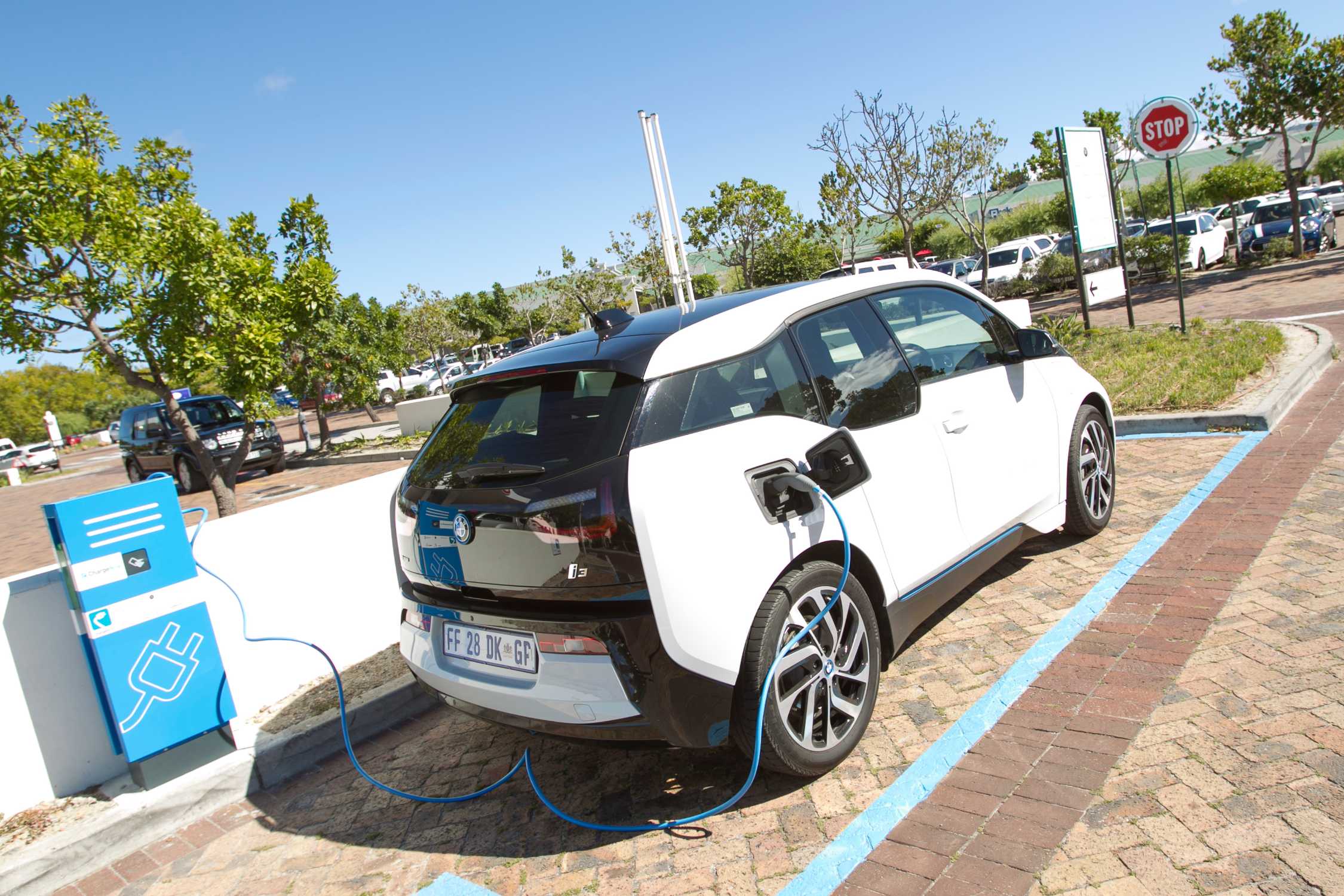

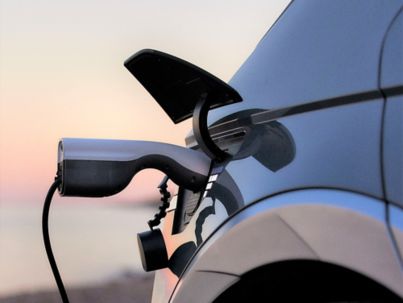
Hyundai Motor Group has introduced AllDayEnergy, a global identity for services that treat an electric vehicle as both transport and an energy asset. The programme brings smart charging, vehicle-to-grid and vehicle-to-home functions under one name for Hyundai and Kia customers.
The idea is straightforward: an EV spends much of its life parked with a sizeable battery attached. With the right vehicle, charger, software and local regulation, that stored electricity can be managed more intelligently instead of sitting unused.
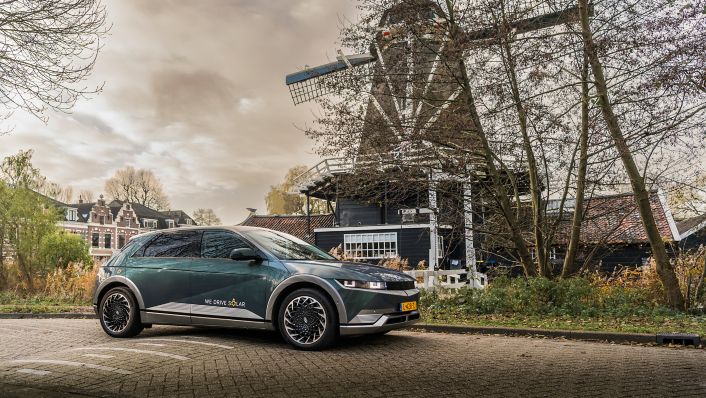
Three levels of smarter charging
AllDayEnergy begins with V1G smart charging. This adjusts when a car charges according to electricity prices, grid demand and the owner’s preferences. For a driver on a time-of-use tariff, it could mean charging automatically when power is cheapest without manually watching the clock.
V2G goes further by allowing the battery to return electricity to the grid. In a mature programme, participating owners could help balance supply at busy periods and potentially receive compensation. V2H directs power toward the home, creating the possibility of backup electricity during an outage or reducing household demand when grid prices peak.
Hyundai is not presenting these capabilities as one identical product available everywhere. Energy markets and technical rules vary by country, so deployment will be phased. The first AllDayEnergy service is due to appear through the Kia App in the UK in the second half of 2026, before planned expansion across Europe, the United States and Korea. Hyundai and Kia vehicle apps will become the main customer interface.
Why this matters beyond Europe
The Group already has relevant experience: V2G trials in Korea, dynamic-price smart charging in the Netherlands and V2H backup applications in the United States. Bringing them together should make the technology easier for ordinary drivers to understand.
For African energy markets, the promise is especially intriguing, even if local launches are not yet confirmed. Reliable backup power is valuable in regions affected by outages, while daytime solar generation could eventually be stored in vehicles for use after sunset. The obstacles—compatible cars, bidirectional chargers, installation cost and regulation—remain substantial.
AllDayEnergy therefore matters less as an overnight revolution than as a signal of where ownership is heading. The next useful EV feature may not add range or acceleration. It may simply make the battery earn its keep for the many hours when the car is not moving.
Source: Hyundai Motor Group, 24 July 2026. Images supplied by Hyundai Motor Group for editorial use.