

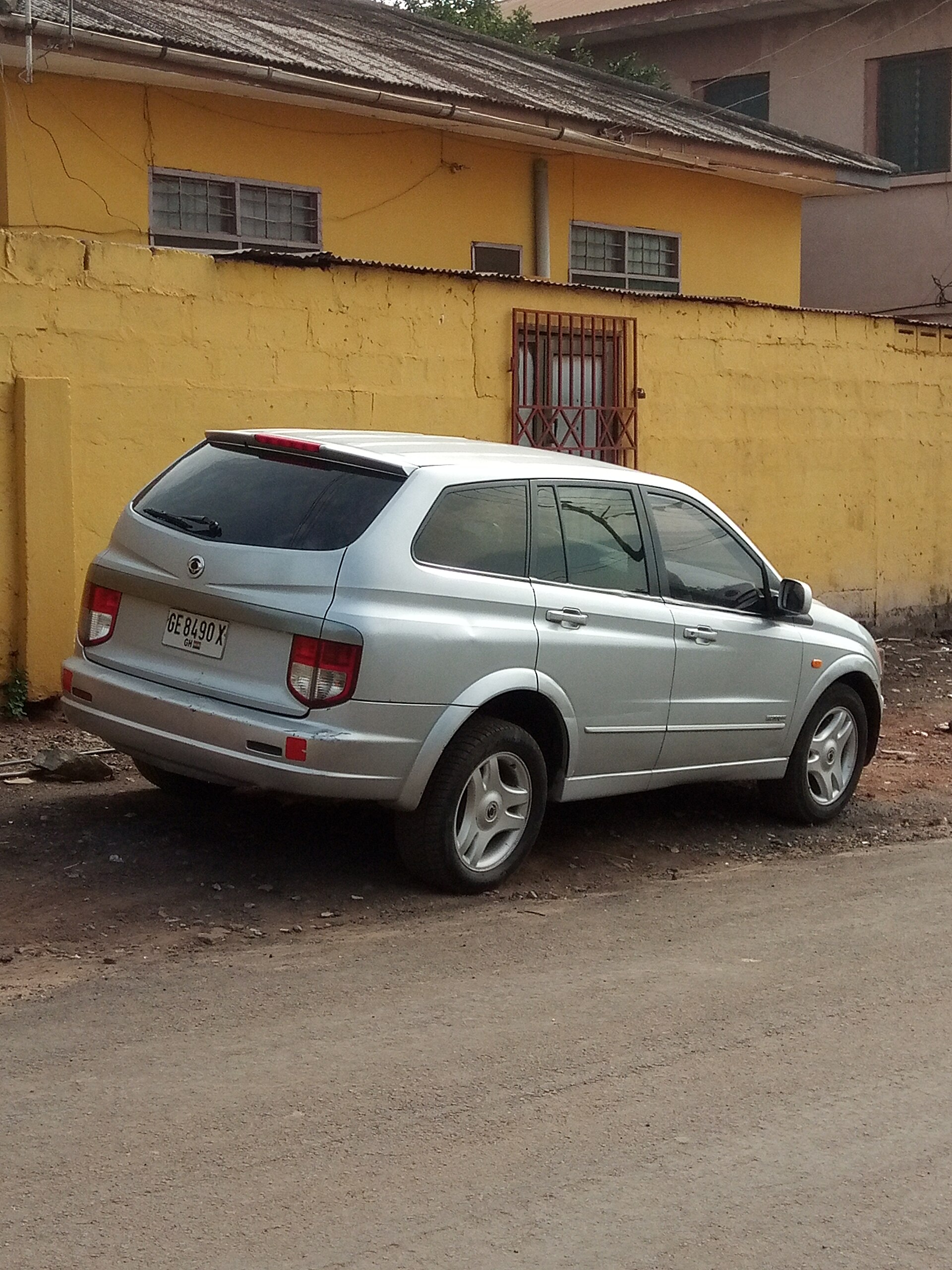
Most expensive used-car mistakes begin before the first drive home: the buyer pays before the documents, identity and transfer process have been checked together. This guide is Ghana-specific and focuses on a local sale already registered in Ghana.
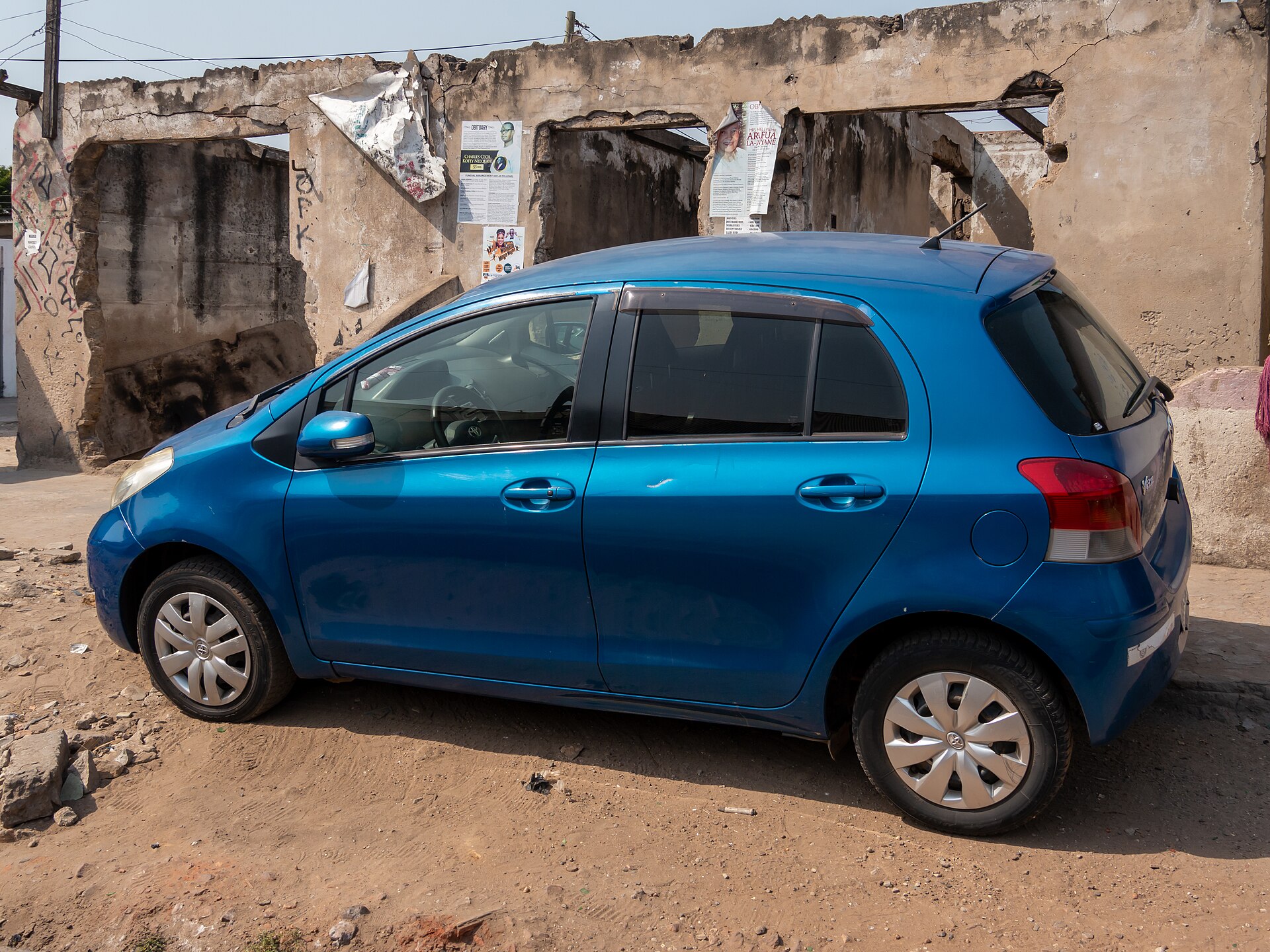 A vehicle’s condition, paperwork and ownership process should all agree before money changes hands. Photo: Matti Blume / Wikimedia Commons, CC BY-SA 4.0.
Start with a transfer plan, not a deposit
Before travelling to view a car, ask the seller to bring the vehicle documents and be prepared to complete the transfer with you at the DVLA. Ghana’s Driver and Vehicle Licensing Authority lists a signed transfer letter from the present owner, the vehicle, vehicle documents, the physical presence of both vendor and buyer, two passport photographs of each party, and valid national ID as requirements for a change of ownership. DVLA Ghana: Change of Ownership
This is the practical rule: do not treat a photocopy, a promise to transfer “later”, or a dealer’s assurance as a substitute for the official process. Match the registration details and chassis/VIN on the car to the documents, and make the seller’s cooperation with DVLA verification a non-negotiable part of the purchase.
Put the DVLA visit inside the deal
DVLA’s procedure calls for the transfer letter to be verified and for the vehicle to be physically inspected while ownership is authenticated. Once approved, the buyer pays the prescribed fee. For the manual route, DVLA lists Form C and VRC among the transfer paperwork; for the online route, it lists biometric capture for the new owner. DVLA Ghana services and transfer procedure
That is why the safest handover is not “cash, keys, goodbye”. Agree in writing which amount is paid before verification, who attends DVLA, and when the balance is released. If the seller cannot explain why the vehicle or the named owner cannot attend, pause the transaction.
Budget beyond the asking price
Build a full-cost figure before you negotiate: purchase price, DVLA transfer charges, insurance, an independent inspection, immediate fluids or tyres, and any repairs identified on the test drive. DVLA publishes a live fees-and-charges page, so check the applicable rate close to the day of transfer instead of relying on an old WhatsApp quote. DVLA Ghana fees and charges
The same caution applies to roadworthiness. DVLA’s listed manual and online transfer outputs include a VRC and roadworthy sticker, irrespective of the current roadworthiness validity. That administrative step does not tell you whether the car’s suspension, tyres, air-conditioning, battery or cooling system suits your needs today—use a competent independent technician for that judgement. DVLA Ghana: transfer outputs
Make the test drive a decision tool
View the car in daylight and arrive early enough to start it cold. Look for warning lights, smoke, leaks, unusual vibration, uneven tyre wear, panels that do not line up, and air-conditioning that does not cool properly. On the drive, use a route with a stop, a hill and rougher surface where it is safe to do so. Then ask an independent technician to inspect the car before you commit the final amount.
Service invoices and maintenance records are more useful when they agree with the odometer, the seller’s story and the vehicle’s visible condition. A high mileage reading does not automatically make a car bad; a story that cannot be backed by documents deserves more questions.
Arrange insurance in the new owner’s name
Motor insurance is not an afterthought. Ghana’s National Insurance Commission says the Motor Vehicles (Third Party Insurance) Act requires insurance for a vehicle used on a public road. It also explains that the type of policy determines the cover available. National Insurance Commission: motor-insurance FAQs
For a current paperwork check, the NIC says a Ghana Card has been mandatory when purchasing or renewing motor insurance since 1 January 2026. Bring it to the insurer and confirm the policy details rather than assuming the seller’s cover follows the vehicle. National Insurance Commission public notice
A simple used-car buying order
- See the original vehicle documents and compare them with the vehicle.
- Inspect and test-drive the car in daylight.
- Get an independent mechanical opinion and price any faults.
- Agree the purchase terms in writing.
- Attend DVLA with the seller and complete the verification and transfer.
- Arrange the insurance and retain every receipt and copy of the documents.
The bottom line: a good used car in Ghana is not just one that looks clean on the forecourt. It is one whose seller, documents, physical identity, DVLA transfer and first-month budget all make sense together.
For more practical, Africa-first vehicle advice, explore Vroom Africa’s buying guides before your next viewing.
Sources
- DVLA Ghana — Vehicle registration and change-of-ownership services
- DVLA Ghana — Fees and charges
- National Insurance Commission — Motor-insurance FAQs
- National Insurance Commission — Ghana Card requirement notice
Image credits
- Cover: Luxury cars in Ghana parked by DaSupremo, CC BY-SA 4.0.
- In article: Toyota Vitz, Korle-Klottey by Matti Blume, CC BY-SA 4.0.


.jpg)