

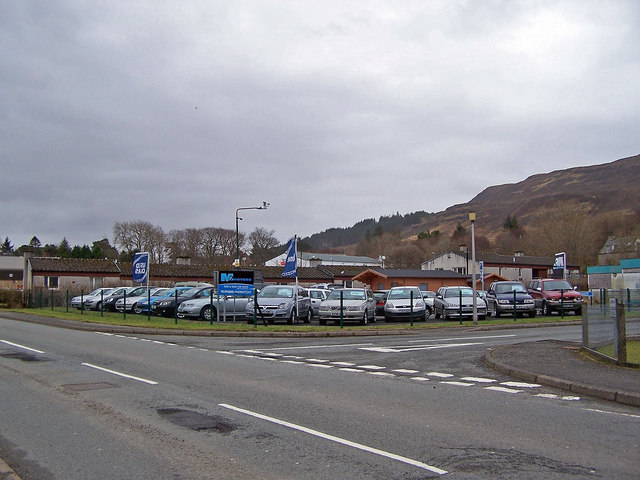
A used car can be the sensible purchase—provided that you treat the paperwork, inspection and registration as one decision rather than three separate chores. This guide is written for South African buyers; requirements and charges differ across borders and, in some cases, by province.
Start with documents, not a deposit
Before travelling to see a car, ask the seller for a clear photo of the registration certificate, the licence disc and their ID details, then make sure the vehicle identification number (VIN) on the car matches the paperwork. Do not transfer a deposit merely because a listing looks complete: make the seller’s ability to hand over the registration certificate and proof of sale a condition of the deal.
That discipline matters because South Africa’s official process is specific. The seller must submit a Notification of Change of Ownership (NCO), while the buyer uses the Application for Registration and Licensing of Motor Vehicle (RLV) form. The government also says a buyer must submit the paperwork within 21 days of purchase; registration and licensing outside that window can attract arrears and penalties. South African Government: register a motor vehicle
Make the price a complete number
“Asking price” is not the same as “on-the-road cost”. Leave room for an independent inspection, any immediate tyres, brakes or fluids, insurance, a transfer or registration visit, and the first service if history is incomplete. Government guidance says the registration charge is prescribed by the province and directs buyers to their local licensing office for the current amount—so do not use a fee quoted for another province as your budget. South African Government: changing owner particulars
A simple buying rule: if the car only fits your budget before these costs, it does not fit your budget. Keep some cash uncommitted until the inspection and documents agree.
Read the roadworthy status carefully
For a used vehicle, the government lists a roadworthiness certificate when the existing certificate is older than 60 days, alongside the registration certificate in the seller’s name, proof of purchase and a valid licence. It also makes the buyer responsible for ensuring the vehicle is roadworthy. In practice, that means a certificate is an important requirement, but not a substitute for examining the particular car you are about to own. South African Government: used-vehicle registration requirements
On a daylight viewing, look for uneven tyre wear, mismatched tyres, smoke or warning lights at start-up, fluid leaks, poorly aligned body panels, non-working lights and air-conditioning that is not cold. Take a proper test drive: use a route that includes a stop, a hill and uneven surfaces where practical. If the seller will not allow a reasonable inspection or test drive, walk away.
Pay for an independent inspection
Use an inspector or workshop that has no stake in the sale. Ask for written findings and photographs, then price the defects before renegotiating. The AA’s Certified Pre-Owned programme describes a 125-point inspection and makes an especially useful distinction: its report records the vehicle’s condition at the time of assessment rather than issuing a simple pass/fail verdict. That is the right mindset for any pre-purchase report. Automobile Association of South Africa: Certified Pre-Owned inspections
Judge mileage in context
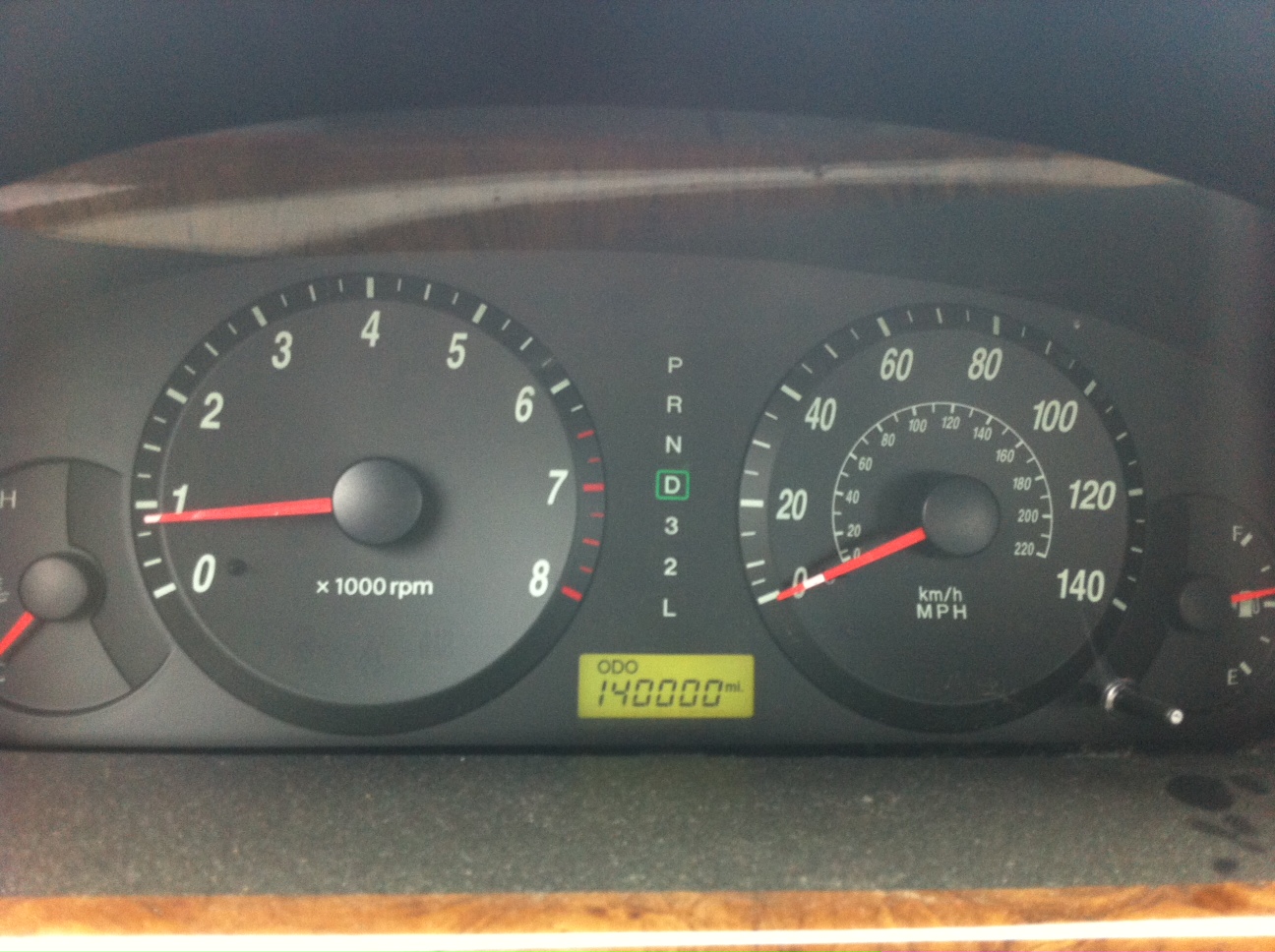
The odometer matters, but it should be consistent with the service book, invoices, tyre dates and the condition of the steering wheel, pedals and driver’s seat. A very low reading with no maintenance trail deserves questions; a higher reading with orderly records may be the more transparent purchase. Ask the seller to explain gaps rather than trying to infer a perfect history from one number.
Finish the transfer before you relax
At handover, obtain the signed proof of purchase, the registration certificate, keys and the information needed for the RLV process. Keep copies of every form and receipt. The seller’s NCO does not complete the buyer’s part: the buyer must still register the car in their own name within the required 21 days. South African Government: owner-change process
The bottom line: a cheaper used car is only a bargain when the documents are transferable, the condition is independently understood and the first-month costs are already in your budget. If one of those pieces is missing, pause the deal rather than paying to discover the problem later.
Sources
- South African Government — Register a motor vehicle
- South African Government — Change owner or title-holder particulars
- Automobile Association of South Africa — Certified Pre-Owned inspections
Image credits
- Cover: Used car dealership, Portree by Richard Dorrell / geograph.org.uk, CC BY-SA 2.0.
- In article: Car Odometer 140000 Miles by ParentingPatch, CC BY-SA 3.0.