
A clear view is a maintenance item, not a luxury. This South Africa-focused checklist takes about seven minutes and is best done while the car is parked.
Rain, mist, grime and oncoming glare ask a lot of a windscreen. South African government guidance says motorists should check wipers before leaving in adverse weather; it also advises avoiding heavy downpours or mist when visibility is severely limited, and reducing speed and increasing following distance if travel cannot wait. Government of South Africa
1. Make one wet sweep while parked
Start the engine or accessory mode, use the washer spray, then run the front wipers through several passes. Look through the driver’s primary viewing area: the result should be clean and even, not a curtain of streaks, chatter or untouched arcs. Avoid running wipers on a dry, dirty screen; a manufacturer manual published through NHTSA specifically cautions against it because it can damage the glass or blades. NHTSA-hosted owner manual guidance
2. Inspect the rubber, not just the frame
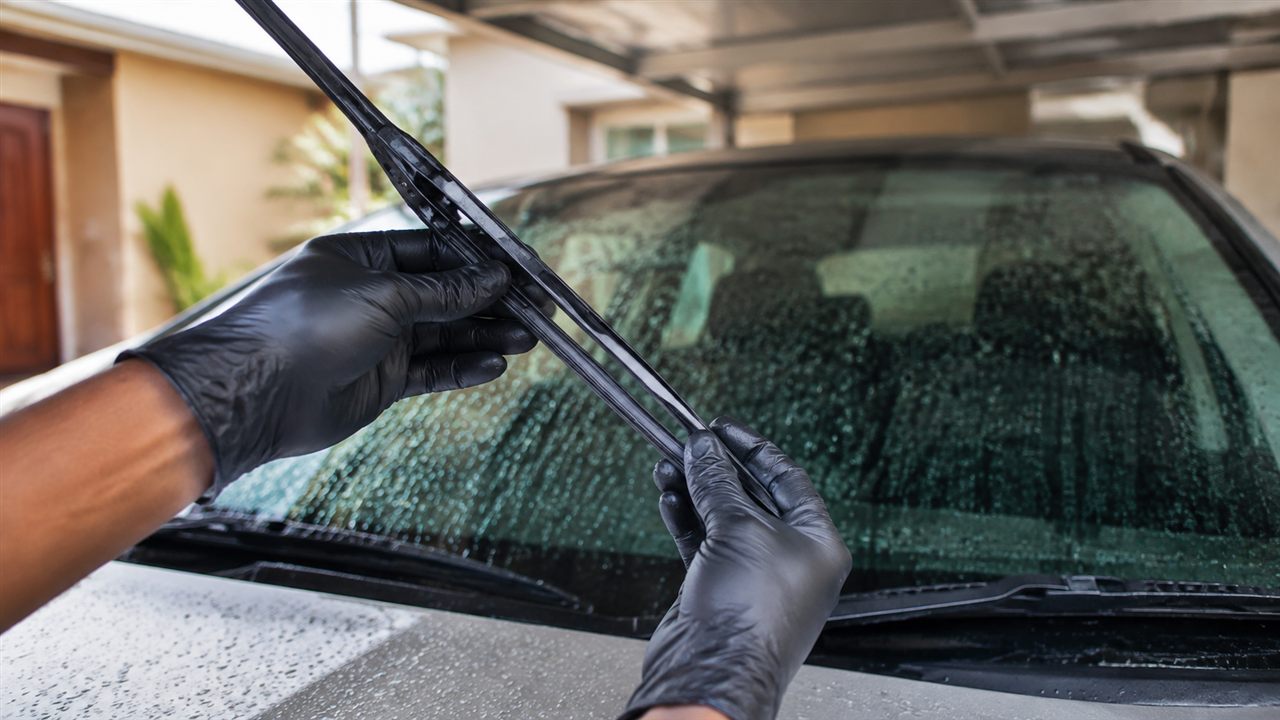
With the wipers switched off, lift each arm only as far as its intended service position and inspect the rubber edge. Cracks, splits, loose sections or a permanently distorted edge are practical replacement signs. Clean, undamaged blades can still smear because the screen is dirty; clean the glass and blade first, then repeat the washer test. Western Cape Mobility’s vehicle-fitness guidance says a blade should remove water without streaks or smears and should be replaced if it does not. Western Cape Mobility
3. Check the washer system while you are there
Confirm that the reservoir has suitable washer fluid, the jets reach the glass, and the spray plus wipers clear rather than spread dirt. If a jet is blocked or the pump is silent, book a repair before a long trip; do not improvise with pins or force the wiper arms against the screen. Follow the vehicle handbook for the correct fluid and service procedure.
4. Clear the rest of the visibility system
Clean the outside and inside of the windscreen, then check the rear window and mirrors. Test the demister/defroster, headlights, brake lights and indicators. Western Cape Mobility specifically includes wiper blades, lights and defrosters in its wet-weather readiness check, and advises low-beam headlights so drivers can see and be seen in dark, wet or foggy conditions. Western Cape Mobility wet-weather advice
5. Treat adequate clearing as the minimum
South Africa’s learner-driver rules state that a light or heavy motor vehicle with a windscreen must have at least one wiper and that, when operating, it must wipe directly in front of the driver continuously, evenly and adequately. That is a useful baseline for owners: if the driver’s view is not clearing properly, do not postpone the fix because the rain has not started yet. NaTIS learner-driver manual
A seven-minute driveway routine
- Minute 1: Check the forecast from a verified source and decide whether the trip can wait.
- Minutes 2–3: Clean the screen and mirrors; look for damage that affects your view.
- Minutes 4–5: Washer-test the front and rear wipers; inspect the rubber edges.
- Minute 6: Test demisters and exterior lights.
- Minute 7: Top up approved washer fluid and pack a clean cloth.
On the road: maintenance cannot defeat a downpour
Even perfect blades cannot make standing water, fog or intense rain safe. Keep more following distance, slow down smoothly and use dipped headlights in poor visibility. If you cannot see adequately, pull over somewhere safe and wait; the national government’s guidance is to avoid driving in heavy downpours or mist where visibility is very limited. Government of South Africa
This is general maintenance and safety information, not a substitute for your vehicle’s handbook or a qualified technician’s diagnosis.
Sources
- Government of South Africa — adverse-weather travel advice
- Western Cape Mobility — winter vehicle and visibility checks
- Western Cape Mobility — vehicle-fitness and wiper-blade guidance
- NaTIS — Rules of the Road learner-driver manual
- NHTSA-hosted owner manual — wiper cleaning and dry-operation caution
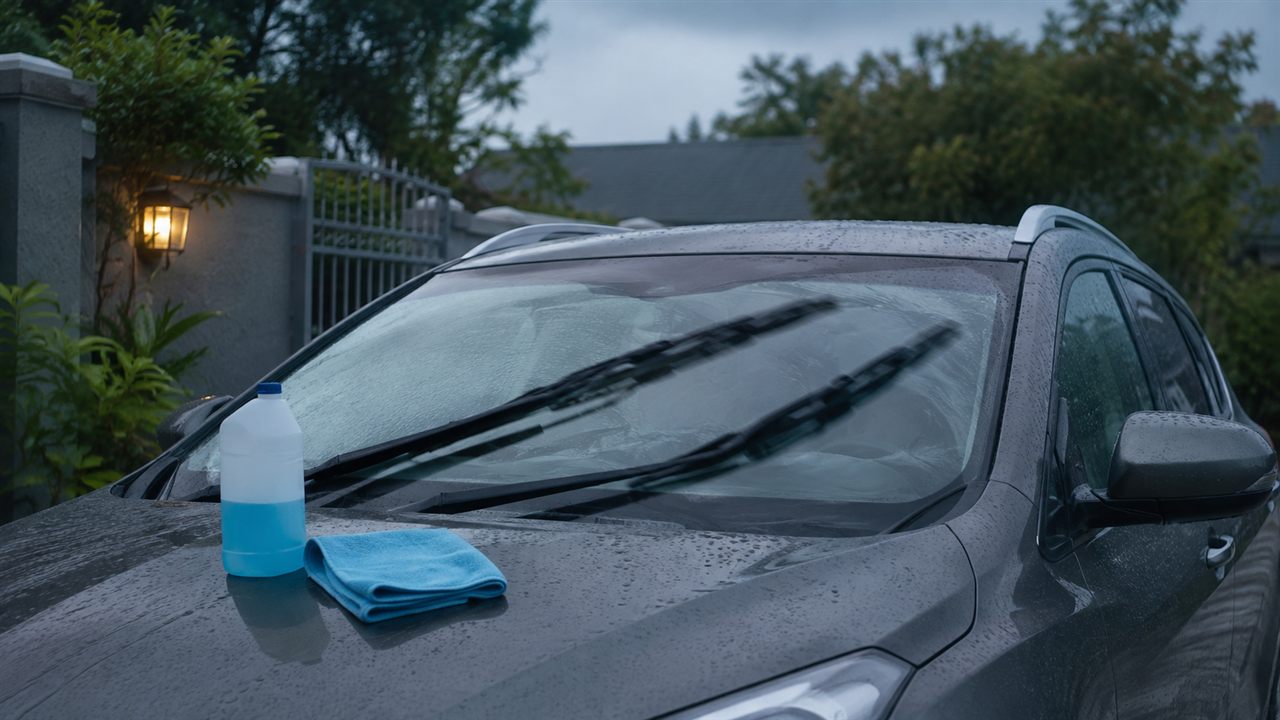
Cover image credit: OpenAI-generated original editorial illustration for Vroom Africa, 2026. It depicts a generic vehicle being prepared for rain; it is illustrative, not a product endorsement.